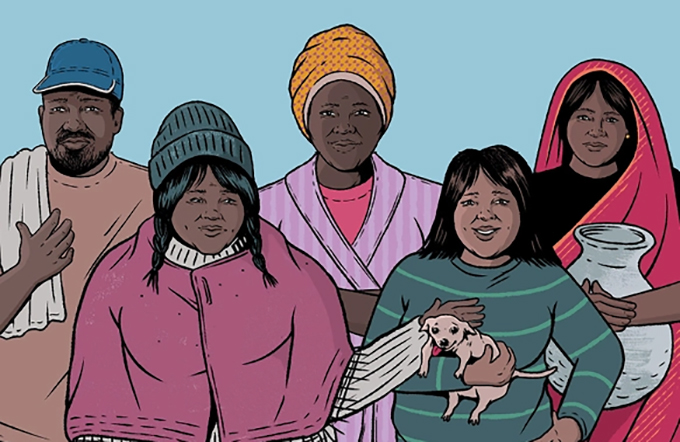
 We know young people are “angry, frustrated and scared” about climate change. And they want to do more to stop it.
However, the school system is not set up to help them address their concerns and learn the information they seek.
There are no explicit mentions of climate change in the Australian primary school curriculum and it is mainly taught through STEM (science, technology, engineering, mathematics) subjects in high school.
More broadly, the main ways we talk about climate in the community and media are focused on science and economics. They tend to involve abstract ideas such as “the planet is warming” or “rainfall is more unpredictable”. While these are important components, they overlook the social, cultural and psychological ways people around the world are affected by climate change.
So, how can we better support schools and teachers to approach climate change in a way that will suit young people’s interests and concerns?
We know young people are “angry, frustrated and scared” about climate change. And they want to do more to stop it.
However, the school system is not set up to help them address their concerns and learn the information they seek.
There are no explicit mentions of climate change in the Australian primary school curriculum and it is mainly taught through STEM (science, technology, engineering, mathematics) subjects in high school.
More broadly, the main ways we talk about climate in the community and media are focused on science and economics. They tend to involve abstract ideas such as “the planet is warming” or “rainfall is more unpredictable”. While these are important components, they overlook the social, cultural and psychological ways people around the world are affected by climate change.
So, how can we better support schools and teachers to approach climate change in a way that will suit young people’s interests and concerns?
Our comic
We are geography and environment researchers who have written a comic that looks at how people around the world experience climate change. This is aimed at high school students, but will also appeal to university students and the broader public. Called Everyday Stories of Climate Change, it looks at the ways low-income families have had to adapt to climate change in five countries across three continents. It begins with a student, waking up in Australia and heading to school. Here the teacher notes that climate change is impacting people around the world, “today we are going to explore some of these places”.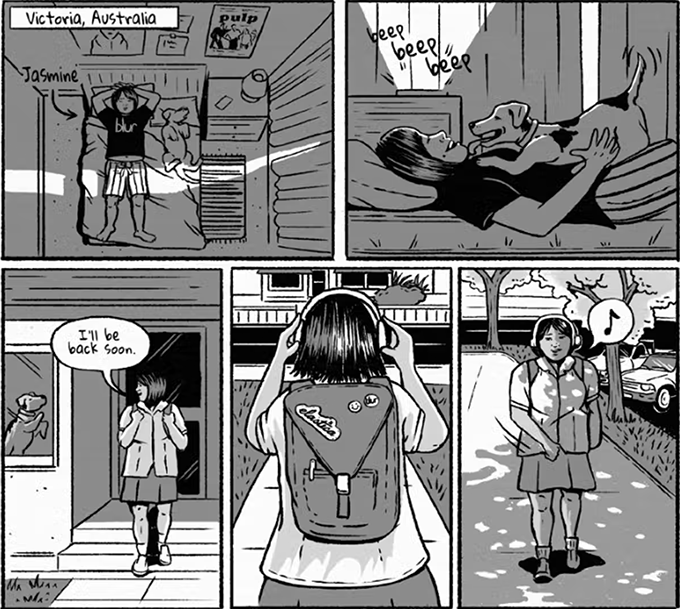
The comic introduces students to the global effects of climate change through the day-to-day stories of people around the world – starting with one very close to their own. Gemma Sou/Author provided, Author provided
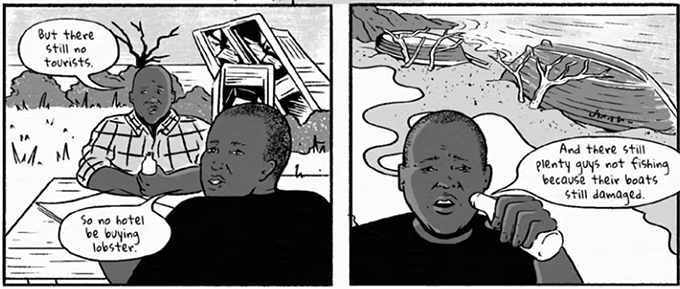
Gemma Sou, Author provided
The importance of stories
Researchers have long argued we need to put a human face on climate change and communicate in ways that resonate with people. This means, we need to do more than present a graph or rattle off statistics. Comics are an effective way to put a human face on issues because they allow us to show first-person narratives and experiences. This can create both understanding of the issues and evoke empathy in readers.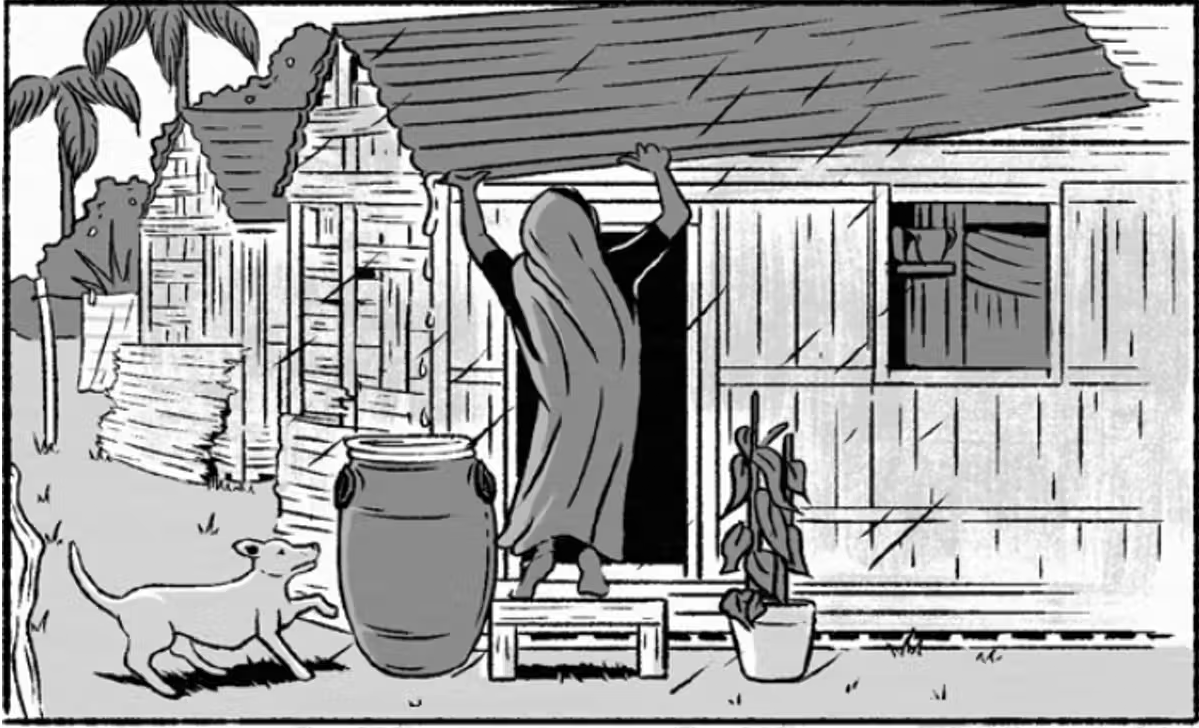
Gemma Sou, Author provided
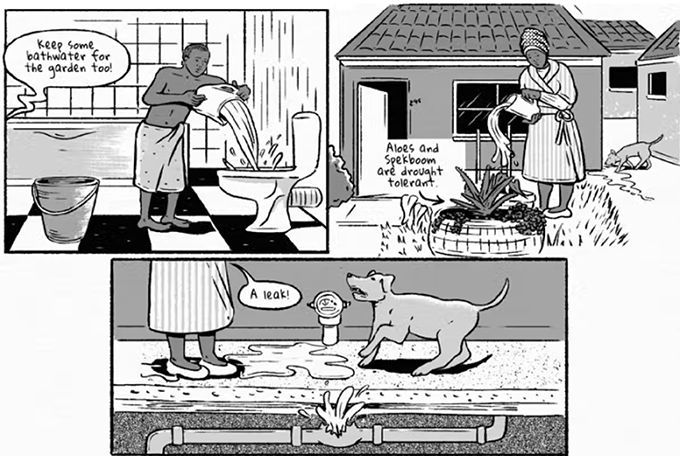
Real world problems (and solutions) help students to understand the impact climate change is having and how people affected are already adapting. Gemma Sou, Author provided
