 Every year instructors carefully plan what they’re going to teach during the semester. Then something significant happens that makes us pause and we have to resist the temptation to teach what was planned for the next day.
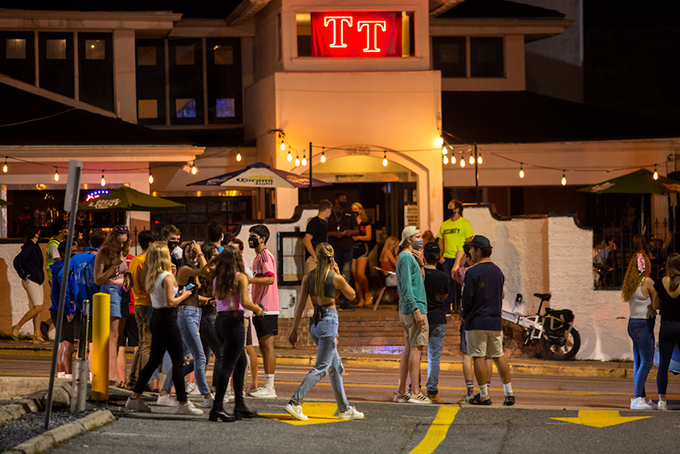
The perfect storm was created over the past two weekends at Queen’s University, with large student gatherings during homecoming that violated public health regulations, saw excessive drinking, risk taking and misogynistic attitudes and behaviours displayed by some of our students.
Our attempts to teach what we had planned seemed irrelevant. As instructors who teach and research peer processes in aggression, curriculum transformation and how to leverage curriculum to respond to local and global challenges, we felt the need to respond.
We had deep concerns about the behaviours and attitudes that were demonstrated, and were saddened that this didn’t reflect our experiences with the students as we know them in the classroom. That urged us to have discussions that required critical thinking and reflection about what had happened and the impact it had on the students, the university and the community.
What is teaching for if not to facilitate deep learning, critical thinking and personal growth in moments where we witness the values that we stand for crumble?
We need to have classroom conversations now, and make bold and innovative changes to identify long term solutions. What happened at Queen’s University these past two weekends can’t happen again.
Every year instructors carefully plan what they’re going to teach during the semester. Then something significant happens that makes us pause and we have to resist the temptation to teach what was planned for the next day.
The perfect storm was created over the past two weekends at Queen’s University, with large student gatherings during homecoming that violated public health regulations, saw excessive drinking, risk taking and misogynistic attitudes and behaviours displayed by some of our students.
Our attempts to teach what we had planned seemed irrelevant. As instructors who teach and research peer processes in aggression, curriculum transformation and how to leverage curriculum to respond to local and global challenges, we felt the need to respond.
We had deep concerns about the behaviours and attitudes that were demonstrated, and were saddened that this didn’t reflect our experiences with the students as we know them in the classroom. That urged us to have discussions that required critical thinking and reflection about what had happened and the impact it had on the students, the university and the community.
What is teaching for if not to facilitate deep learning, critical thinking and personal growth in moments where we witness the values that we stand for crumble?
We need to have classroom conversations now, and make bold and innovative changes to identify long term solutions. What happened at Queen’s University these past two weekends can’t happen again.
People behave differently in groups
These gatherings are not new but there is a heightened sense of urgency to be more effective and intentional in how we address them. These conversations could start by unpacking with students why people behave differently in groups than when they are alone. When people act in groups (like the students that gathered on the streets), they are more likely to see themselves as anonymous and this reduces their sense of responsibility and accountability. When people are in a group they are more likely to engage in aggressive and risky behaviours they may not normally do on their own. This is likely because they think they won’t be seen or will not be caught. They also behave in ways that conform to the group which may or may not be consistent with their own morals and ethics. In large groups, there is also a sense of diffusion of responsibility — people are less likely to take action or intervene when in the presence of a large group. All of these processes are intensified with increases in emotions, alcohol use and crowd size.
Big homecoming parties happen on university campuses across Canada with a total disregard for pandemic restrictions. THE CANADIAN PRESS/Nicole Osborne
A harm-reduction approach
The way forward likely involves a harm-reduction approach. Students will party. A harm reduction approach recognizes this need for young people to gather and socialize but sets up environmental conditions to ensure that it is done with minimal risk. In this case, it would focus on bringing students together safely in a way that minimizes health and social harms rather than condemning or ignoring them. We need to continue to create safe environments for students on campus where we can manage alcohol consumption and behaviour while still promoting coming together and celebrating — be it homecoming or other important events. We also need to empower students to stand up. Bystanders play a critical role — by being present they are reinforcing the behaviour and inadvertently supporting it. There were students during the homecoming events who had the courage to stand up, intervene and take action. Those are the people we need to empower, the stories we need to tell and the messages we need to amplify.Community members have painted and strung homemade anti-misogyny signs at Victoria Park.https://t.co/EQhk9gXNdg
— Kingstonist (@kingstonist) October 23, 2021
